Useful links
Home Culture and Traditions Food and Cuisine History and Heritage Politics and Government
Home Culture and Traditions Food and Cuisine History and Heritage Politics and Government
Category : uurdu | Sub Category : uurdu Posted on 2023-10-30 21:24:53
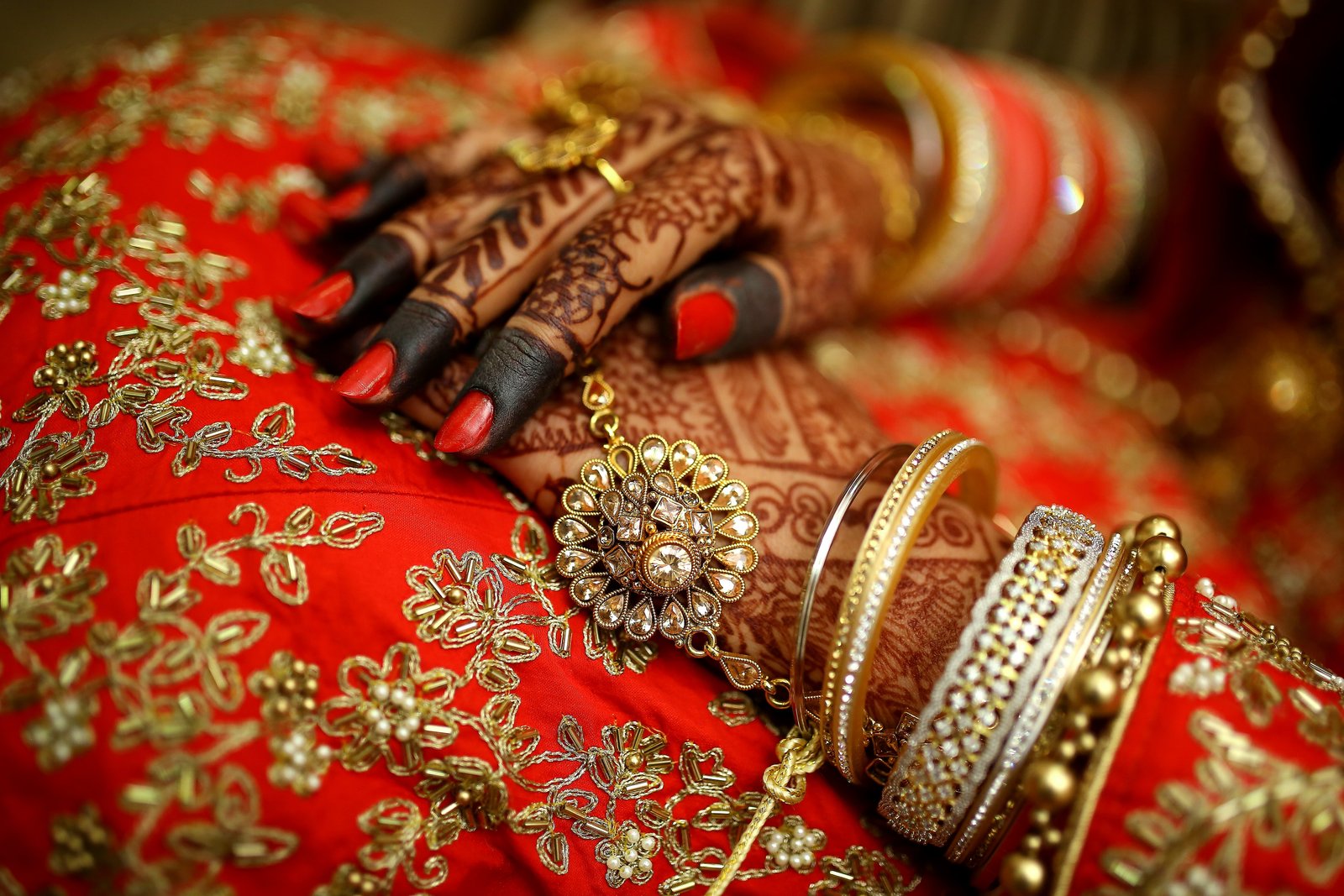
Introduction: Pakistan, a land nestled in the heart of South Asia, is a tapestry of diverse cultures, ethnicities, languages, and religions. Its rich and vibrant history has shaped a unique multicultural society that embraces and celebrates its diversity. In this blog post, we will delve into the beauty of Pakistan's multiculturalism, explore its various cultural components, and understand how they coexist harmoniously. 1. A diverse melting pot: Pakistan, with its population of over 220 million people, is home to a plethora of ethnic groups, including Punjabis, Sindhis, Pashtuns, Balochis, and many more. Each ethnic group has its own distinct language, traditions, and cultural practices, providing a kaleidoscope of diversity. 2. Cultural fusion: The multiculturalism of Pakistan is further enhanced by the fusion of different cultural elements. Centuries of historical interactions with neighboring countries, such as Afghanistan, Iran, India, and China, have influenced and enriched Pakistani culture. From music to cuisine, architecture to fashion, the amalgamation of various cultural influences gives birth to a unique and dynamic Pakistani identity. 3. Languages: Pakistan is home to more than 70 languages, with Urdu being the national language. However, each region has its own mother tongue, such as Punjabi, Sindhi, Pashto, Balochi, Brahui, and many others. This linguistic diversity not only reflects the multicultural nature of Pakistan but also promotes a sense of inclusivity by allowing people to express themselves in their native tongues. 4. Religious harmony: Pakistan is known for its religious diversity, with Islam being the dominant faith. However, a significant number of people belonging to other religions, such as Hinduism, Christianity, and Sikhism, also reside in Pakistan. Despite occasional challenges, Pakistan exemplifies religious tolerance, with religious celebrations and festivals of different faiths being observed nationwide. Mosques, churches, temples, and gurdwaras stand side by side, symbolizing the coexistence and respect for diverse religious beliefs. 5. Festivals and Celebrations: Pakistan showcases a rich tapestry of festivals and celebrations, each reflecting its diverse cultural heritage. From Eid ul-Fitr and Eid ul-Adha, which are Islamic festivals, to regional celebrations like Basant (the kite festival) in Punjab and Navroz (the Persian New Year) in Gilgit-Baltistan, these festivities bring people from different backgrounds together, fostering unity and understanding. 6. Cuisine: The multiculturalism of Pakistan is best experienced through its delectable cuisine. From savory biryanis and succulent kebabs to spicy curries and sweet desserts, Pakistani food is a fusion of culinary traditions from all over the subcontinent. Each region has its own signature dishes that reflect its unique flavors and cooking methods, representing the diverse cultural influences. Conclusion: Pakistan's multiculturalism is a testament to the richness and beauty of diversity. Despite challenges, Pakistanis have managed to build a society that embraces its diverse cultural components, fostering unity and peaceful coexistence. By celebrating its various languages, religions, traditions, and cuisines, Pakistan stands as a shining example of a multicultural society that thrives on understanding, acceptance, and harmonious integration. Let us continue to appreciate and promote the multicultural heritage of Pakistan, ensuring that it remains a beacon of diversity and inclusivity for generations to come. To get a different viewpoint, consider: http://www.culturepolitics.com


